

Coconut Milk
Creamy plant-based liquid from coconut flesh
Types of Coconut Milk
Get some
On the shelf at your store. Live pricing is coming soon.
Add to shopping listStorage
Unopened cans are shelf-stable. Once opened, transfer to airtight container and refrigerate. Separation is normal; shake or stir before use. Freeze in ice cube trays for portioned use.
Nutrition
Values for canned full-fat coconut milk. Light versions contain ~50% fewer calories and fat. High in saturated fat, primarily medium-chain triglycerides.
Cooking Tips
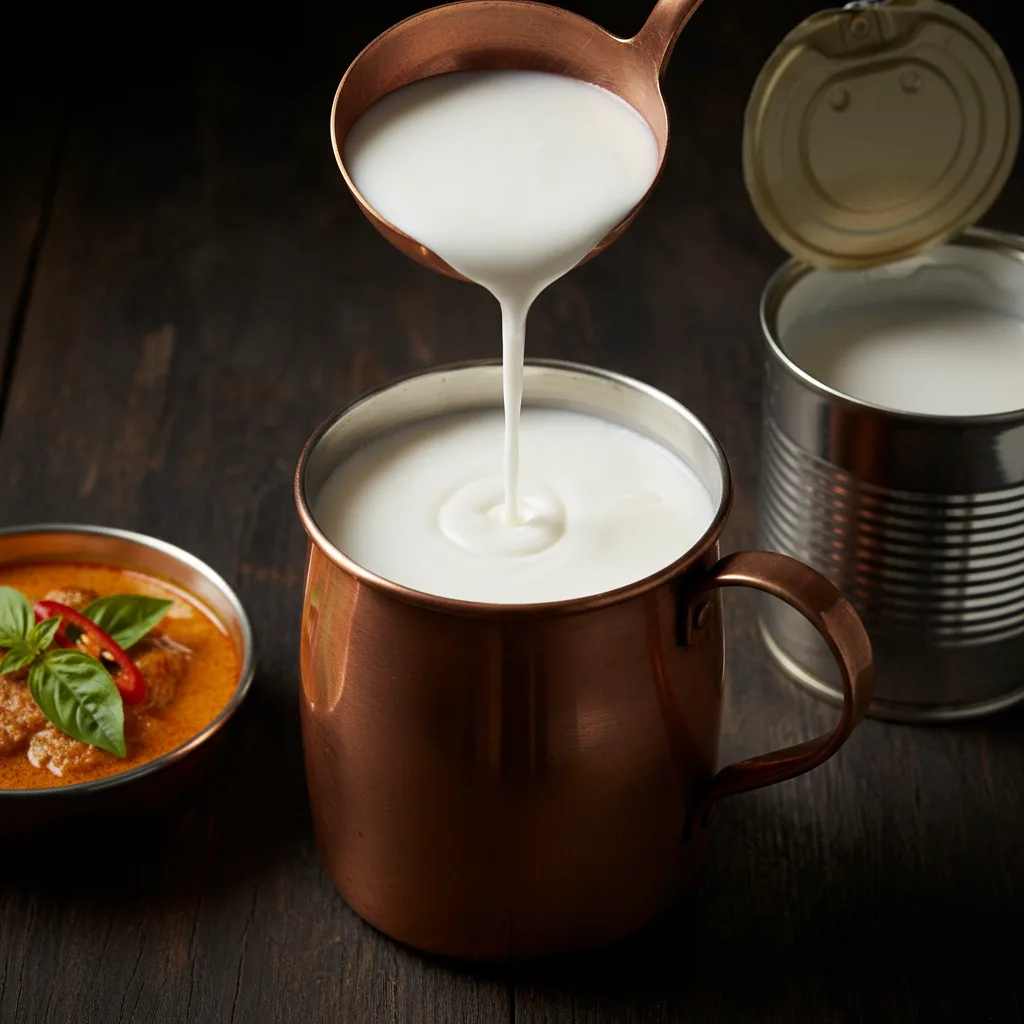
Shake the can well before opening—fat naturally separates and rises to the top
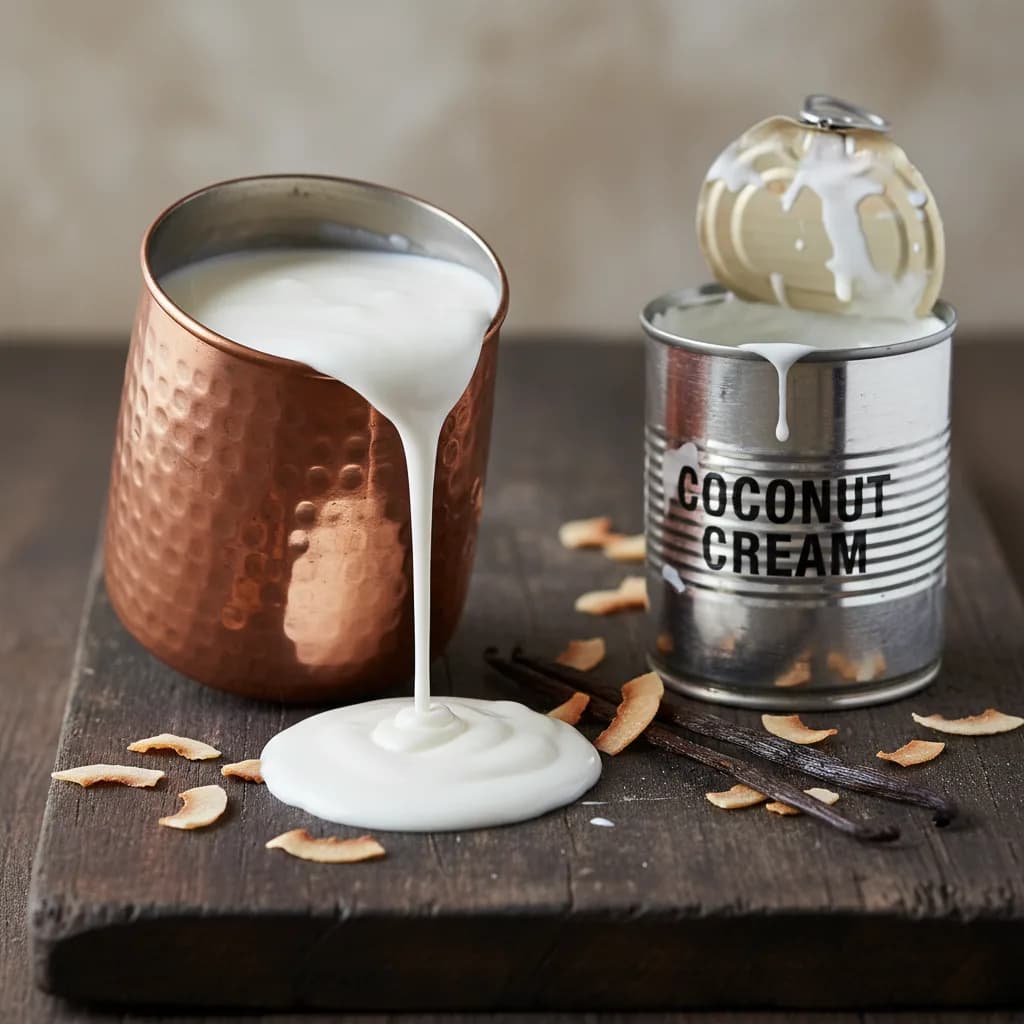
For coconut cream, refrigerate can overnight and scoop the thick layer from the top
Add near the end of cooking to prevent curdling in acidic dishes
Choose full-fat for rich curries and sauces; light versions work for soups and smoothies
Pairs With
Curries (Thai, Indian, Caribbean)
Ginger, lemongrass, lime, cilantro
Chili peppers and garlic
Tropical fruits (mango, pineapple)
Rice, noodles, and grains
Pumpkin, sweet potato, squash
Common Mistakes
Confusing coconut milk with coconut water (clear liquid from inside young coconuts)
Buying sweetened coconut milk beverage instead of cooking coconut milk
Boiling vigorously, which can cause the milk to separate or curdle
Not checking ingredients—some brands add gums, stabilizers, or preservatives
Aliases
- Coconut Milksplural
/coconut-milks