
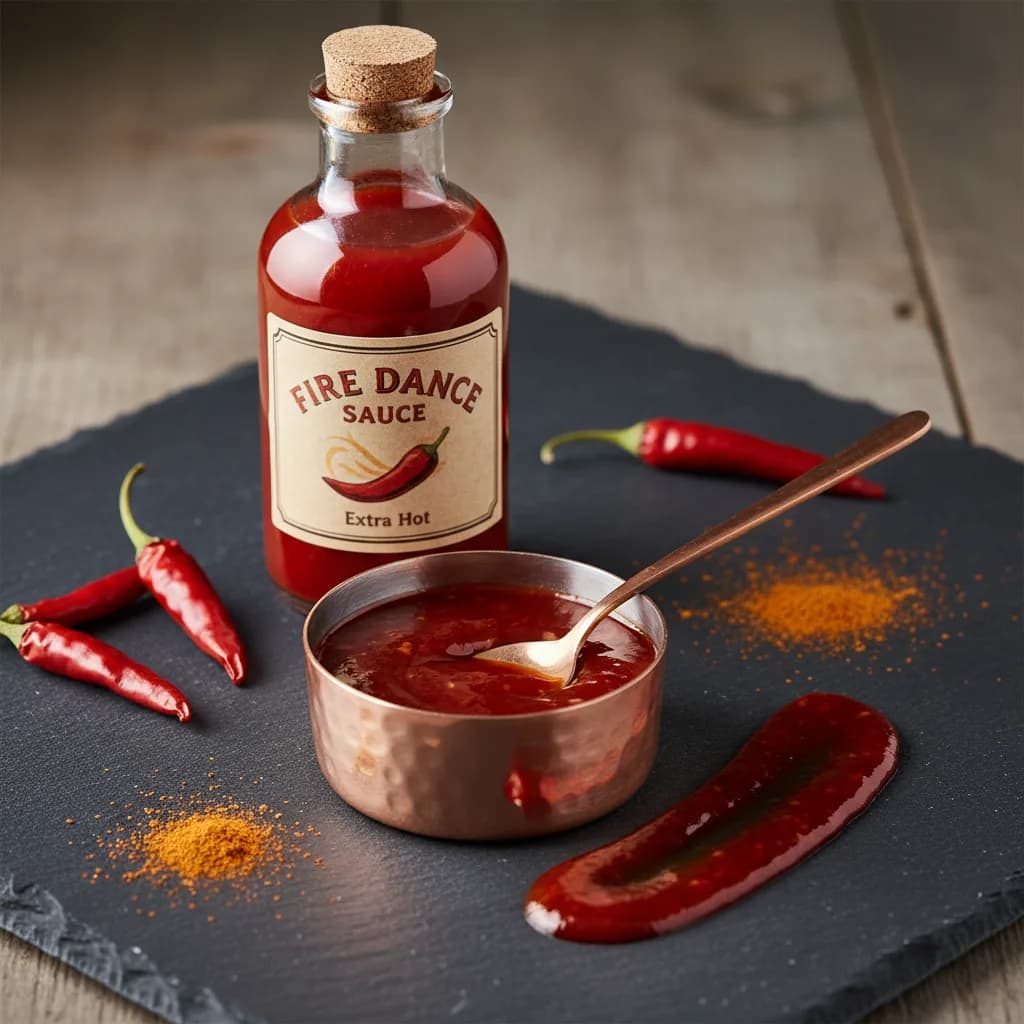
Types of Hot Pepper Sauce
Get some
On the shelf at your store. Live pricing is coming soon.
Add to shopping listStorage
Unopened bottles keep for years in a cool, dark pantry. Once opened, hot sauce remains shelf-stable at room temperature for several months to a year due to its high acidity and salt content. Refrigeration after opening extends quality and preserves color, though it's not strictly necessary for food safety.
Cooking Tips
Start with a few drops when cooking and add more to taste—it's easier to add heat than remove it
Shake the bottle before using, as sediment and spices naturally settle
Add hot sauce at the end of cooking to preserve its bright, tangy flavor, or early on for more integrated heat
Use as a marinade ingredient for meat, seafood, or tofu to infuse flavor and tenderize
Pairs With
Eggs and breakfast dishes
Tacos, burritos, and Mexican cuisine
Pizza and Italian dishes
Fried chicken and sandwiches
Soups and stews
Rice and grain bowls
Grilled or roasted vegetables
Common Mistakes
Adding too much at once—heat builds and can overpower a dish
Storing in direct sunlight, which can darken the color and degrade flavor over time
Assuming all hot sauces have the same heat level—always taste a small amount first
Using it only as a finishing condiment when it can enhance marinades, dressings, and cooked dishes
Aliases
- Hot Pepper Saucesplural
/hot-pepper-sauces-2 - Hot Saucealternate
/hot-sauce - Louisiana Style Hot Saucealternate
/louisiana-style-hot-sauce-2 - Louisiana-Style Hot Saucealternate
/louisiana-style-hot-sauce - Tabascoalternate
/tabasco - Tabasco Saucealternate
/tabasco-sauce