
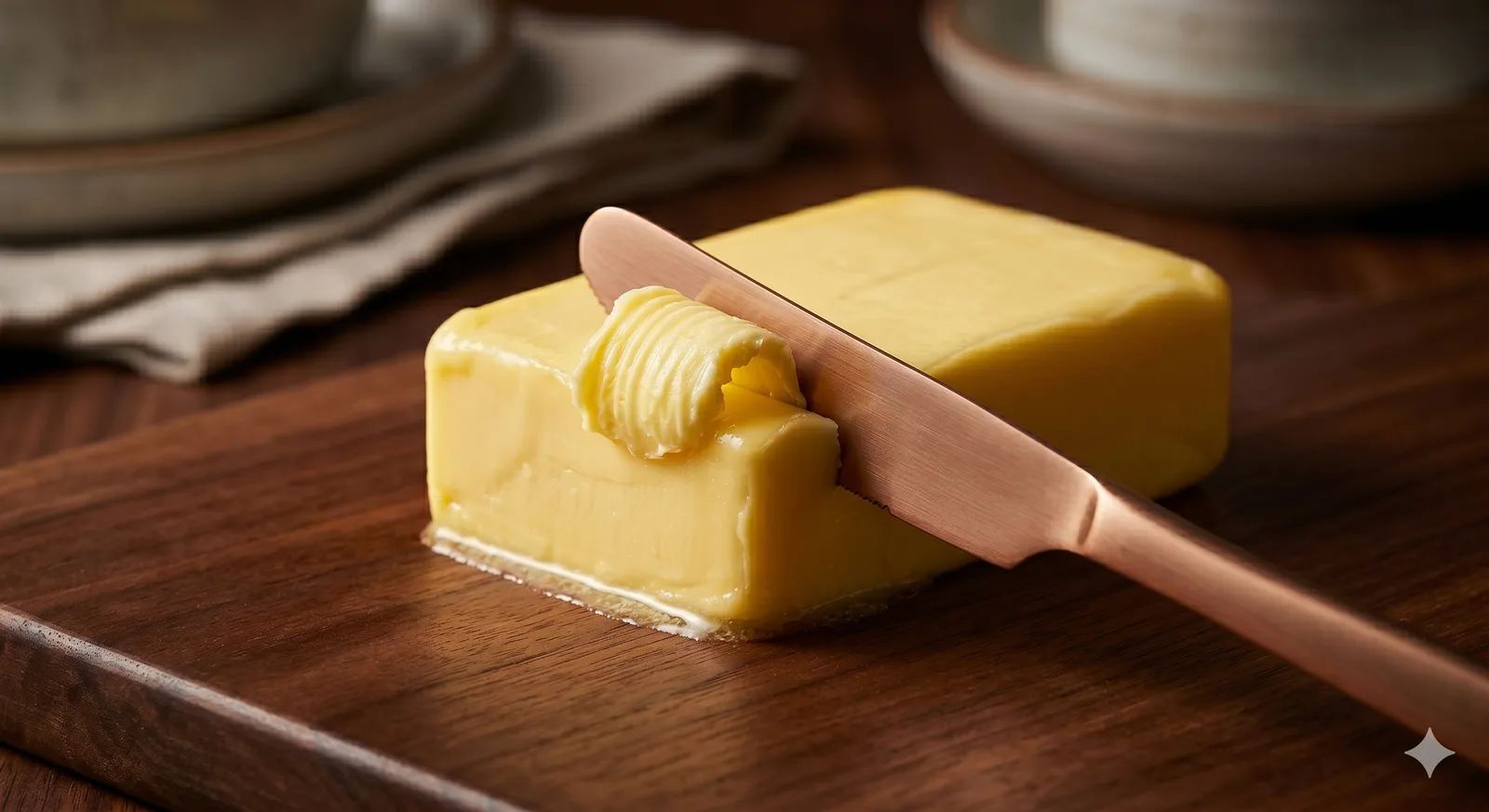
Butter
Churned cream fat essential for cooking and baking
Types of Butter
Get some
On the shelf at your store. Live pricing is coming soon.
Add to shopping listStorage
Keep refrigerated in original wrapper or airtight container. Salted butter lasts longer than unsalted. Can be frozen in original packaging or wrapped tightly in foil.
Nutrition
High in saturated fat and fat-soluble vitamins A, D, E, and K
Cooking Tips
For flaky pastries, keep butter very cold and work quickly to prevent melting
Room temperature butter (around 65-68°F) creams best with sugar for cakes and cookies
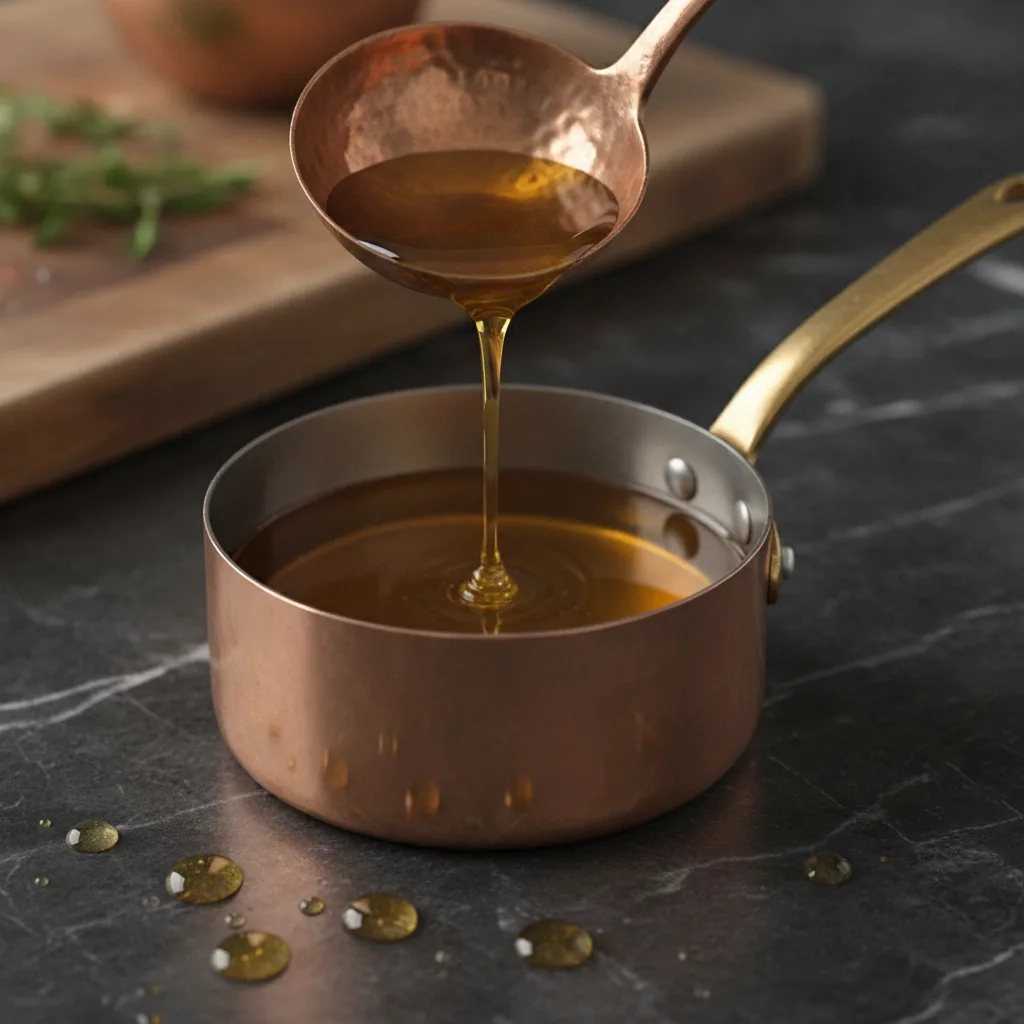
Brown butter by cooking until milk solids turn golden brown for a nutty flavor
Clarified butter (ghee) has a higher smoke point and is better for high-heat cooking
European-style butter has higher fat content (82-86%) than American (80%), creating richer results
Pairs With
Fresh bread, rolls, and biscuits
Vegetables like corn, green beans, and Brussels sprouts
Seafood, especially lobster, scallops, and fish
Pasta and risotto for richness
Herbs like parsley, thyme, sage, and garlic for compound butters
Common Mistakes
Using melted butter when recipe calls for softened, resulting in dense or flat baked goods
Over-softening butter in microwave, which can cause uneven melting and affect texture
Substituting salted for unsalted without adjusting recipe salt, leading to oversalted dishes
Burning butter when browning—watch carefully as it can go from golden to burnt quickly
Aliases
- Butterprimarycanonical
/butter-2 - Salted Butteralternate
/salted-butter - Sweet Butteralternate
/sweet-butter - Unsalted Butteralternate
/unsalted-butter - Whipped Butteralternate
/whipped-butter