
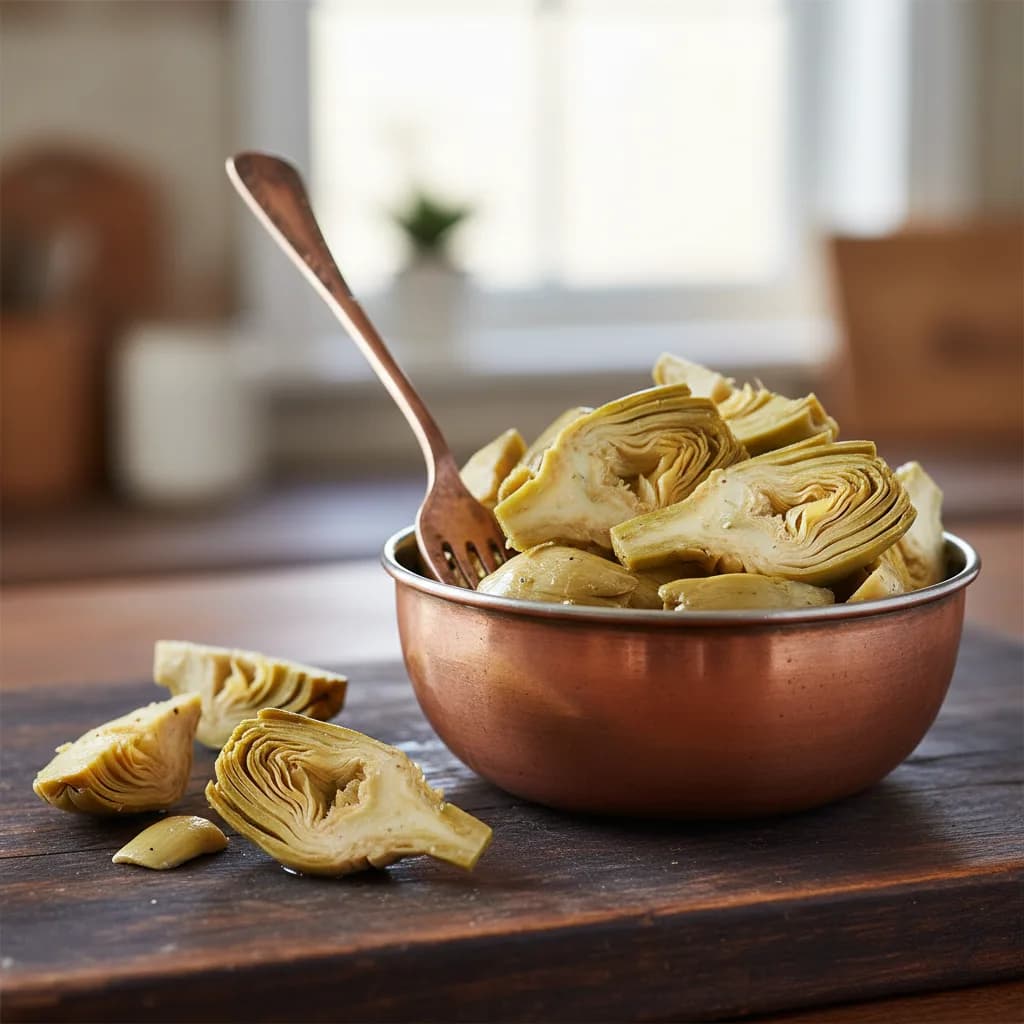
Artichoke Hearts
Tender, versatile vegetable from the thistle family
Types of Artichoke Hearts
Get some
On the shelf at your store. Live pricing is coming soon.
Add to shopping listStorage
Fresh artichoke hearts: store in a damp paper towel in the crisper drawer. Frozen: keep in freezer in original packaging. Canned (drained, covered): lasts 3–4 days in the fridge. Jarred marinated hearts last longer once opened if kept submerged in oil and refrigerated.
Cooking Tips
To prep fresh artichoke hearts: cut the artichoke in half lengthwise, scoop out the fuzzy inner choke with a spoon, then trim the stem and outer leaves.
Frozen artichoke hearts are blanched and ready to use—no thawing needed for roasting or cooking.
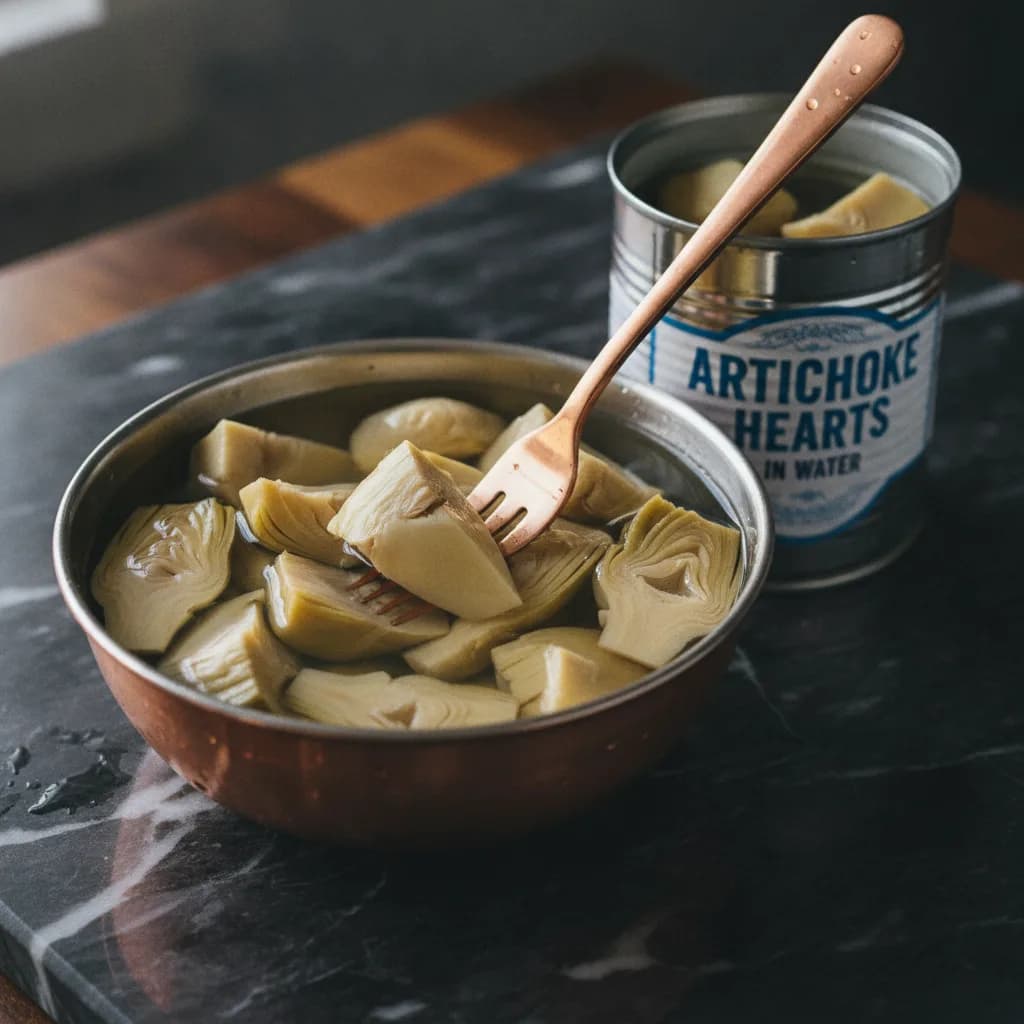
Canned or jarred hearts are convenient but often packed in brine or oil; rinse if you want to reduce sodium or remove excess oil.
Toss raw fresh hearts with lemon juice immediately to prevent browning.
Roasting brings out sweetness: toss with olive oil, salt, and pepper, then bake at 400°F until crispy (about 20 minutes).
Pairs With
Lemon and garlic
Olive oil and Parmesan
Cream and Gruyère (for dips)
Balsamic vinegar and thyme
Capers and anchovies
Feta and sun-dried tomatoes
Common Mistakes
Not removing the fuzzy choke (the inedible bristly center) before cooking—it's tough and unpleasant.
Overcooking fresh artichoke hearts until mushy; they're best tender-crisp.
Assuming canned hearts taste exactly like fresh; they're softer and work better in cooked dishes or mashes.
Forgetting to acidulate (add lemon juice) to fresh-cut hearts, which brown quickly when exposed to air.
Aliases
- Artichoke Heartalternate
/artichoke-heart